Every child deserves a chance to grow up safe, healthy, and happy. In Nigeria, millions of children face barriers that prevent them from reaching their full potential.
This is especially true in the Niger Delta region, where oil pollution, poverty, and ongoing conflict have created extra difficulties for families and their children.
Promoting child rights in Nigeria goes beyond just helping children; it’s about building a better future for our entire nation.
When we protect the rights of every child, we strengthen our communities, reduce poverty, and invest in long-term development.
It’s not just a parent’s responsibility, it’s everyone’s.

What Are Child Rights and Why Do They Matter?
Child rights are the basic freedoms and protections every child deserves, regardless of their background or location. These rights guarantee that children can survive, grow, learn, and be safe from harm.
When we talk about child rights in Nigeria, we’re referring to legal and moral commitments that protect the well-being of every child across the country.
These rights are backed by both international agreements and national laws, especially the Child Rights Act of 2003, which clearly outlines what every Nigerian child is entitled to.
However, there’s a big difference between knowing about these rights and ensuring they are respected.
Children have the right to:
- Life and survival
- Education and learning
- Protection from violence and abuse
- Healthcare and proper nutrition
- A name and nationality
- Play and rest
- Express their opinions
- Be protected from harmful work. See More
Promoting child rights in Nigeria is not just a legal obligation; it’s a national duty that affects the future of our communities.
Understanding Nigeria’s Child Rights Laws
Nigeria has strong laws designed to protect children, but many citizens are unaware of them.
The most important law is the Child Rights Act, passed in 2003 to reflect international standards for child protection. This Act is the foundation of how we understand child rights in Nigeria today.
The Act covers many important areas:
- Right to Survival: Every child has the right to life and to have their basic needs met. This means access to food, clean water, shelter, and healthcare.
- Right to Development: Children must be given opportunities to grow through education, play, and experiences that help them develop physically and mentally.
- Right to Protection: Children must be kept safe from violence, abuse, neglect, and exploitation. They should not be forced to do dangerous work or be involved in armed conflict.
- Right to Participation: Children have the right to express their views on matters that affect them. Their opinions should be respected. Read more.
One challenge is that not all Nigerian states have adopted the Child Rights Act into their local laws. This creates confusion and makes it harder to protect children consistently across the country.
Child Rights Challenges in the Niger Delta Region
The Niger Delta region highlights the real struggles in advancing child rights in Nigeria aims to protect. While the area benefits from oil production, it also suffers from serious consequences that directly affect children.
Environmental problems affect children’s health and education. Oil spills pollute water sources, making it unsafe for children to drink or play near rivers and streams.
Air pollution from gas flaring can cause breathing problems and other health issues.
Many families depend on fishing and farming, but environmental damage has made these activities less profitable. When parents can’t earn enough money, children often have to work instead of going to school.
Some children work in dangerous conditions, such as diving underwater to repair oil pipelines or working on fishing boats for long hours.
Conflict over land and resources has also affected children in the Niger Delta. Some children have experienced violence or been forced to leave their homes. Others have lost parents or caregivers due to community conflicts.
These crises have threatened nearly every right listed under child rights in Nigeria: the right to education, safety, development, and health.
Despite these challenges, there are people and organisations working hard to protect children in the Niger Delta. They provide education, healthcare, and support to families who need help.
The Right to Education: Opening Doors for Niger Delta Children
Education is one of the most powerful tools for protecting children in Nigeria and helping them build better futures.
Every Nigerian child has the right to free, quality primary education, but for many children in the Niger Delta, this right is still out of reach.
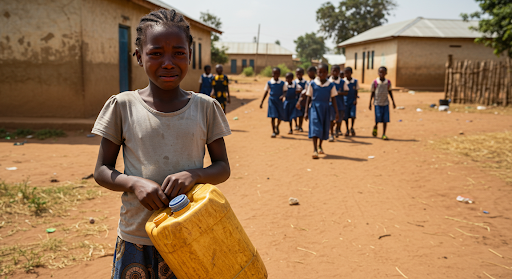
Some barriers to education in the region include:
- Cost: Even when school fees are supposed to be free, families often have to pay for uniforms, books, and other supplies they can’t afford.
- Distance: Some communities are far from schools, making it dangerous or impossible for children to attend regularly.
- Poor learning conditions: Many schools lack trained teachers, decent classrooms, or learning materials.
- Economic pressure: Families facing poverty often expect children to work or support the home, instead of going to school.
When children can go to school, they learn skills that help them escape poverty and contribute to their communities. Educated children are also more likely to know their rights and protect themselves from harm.
Healthcare Rights: Keeping Niger Delta Children Healthy
Good health lays the foundation for a child’s future. Under child rights in Nigeria, every child has the right to proper healthcare, clean water, and good nutrition. However, many children in the Niger Delta face serious health challenges.
Environmental pollution is a major threat. Oil spills contaminate drinking water, causing deadly diseases like cholera and typhoid.
Air pollution from gas flaring affects children’s lungs and skin. These health issues can follow children for life, especially those living near oil production sites.
Malnutrition adds to the crisis. When families can’t access or afford healthy food, often because pollution ruins local farming and fishing, children suffer.
Malnourished children struggle to learn, fall sick more often, and are less likely to grow into strong, capable adults.
But there is hope. Mobile health clinics now reach some of the region’s most remote communities. They offer vaccinations, check-ups, and urgent care.
Community health workers are being trained to identify and treat children’s health issues. Clean water projects are also helping families avoid disease and stay hydrated.
If we’re serious about protecting children in Nigeria, we must prioritize their health. By standing up for child rights in Nigeria promises, we can help every child in the Niger Delta grow up healthy and strong.
Protection from Harm: Keeping Children Safe
Protecting children in Nigeria from violence, abuse, and exploitation is one of the most urgent responsibilities we have.
Under child rights in Nigeria, every child deserves to grow up in a safe environment, free from fear and danger. Unfortunately, too many children in the Niger Delta and across the country, are still exposed to harm every day.
Child labour is a serious problem. Some children work in dangerous conditions, such as diving for oil pipeline repairs, working on fishing boats, or carrying heavy loads in markets.
These jobs prevent children from going to school and can harm their physical and mental development.
Domestic violence affects many children, either directly or because they witness violence against their mothers or siblings
Child trafficking is another concern. Some children are taken from their families and forced to work in other parts of the country. They may be promised education or good jobs, but instead find themselves in dangerous or exploitative situations.
Sexual abuse and early marriage also violate children’s rights. These problems are often hidden because families and communities don’t talk about them openly.
Protecting children in Nigeria means breaking the silence, strengthening the laws, and building a society where no child lives in fear. Real change starts when we treat child rights in Nigeria not just as a law, but as a promise to keep.
The Role of Children’s Rights Organisations in Nigeria
Across the country, children’s rights organisations in Nigeria are working tirelessly every day to defend and promote the well-being of our youngest citizens.
Their efforts are especially vital in regions like the Niger Delta, where environmental, economic, and social challenges make life even harder for children.
These organisations are the frontline defenders of child rights in Nigeria. Some build and support schools in remote communities, ensuring that children have access to quality education.
Others focus on healthcare, offering medical services, vaccinations, and nutrition support to children who would otherwise go without.
There are also groups dedicated to protecting children from abuse, exploitation, and neglect. They provide safe spaces, counseling, and legal support for children in crisis.
Beyond direct services, these organisations play an important role in advocacy. They work to shape laws and policies that affect children, engage with lawmakers, and educate the public about child rights in Nigeria.
By raising awareness, they help communities understand the importance of every child’s right to be safe, educated, and heard.
Most of these organisations rely on volunteers, donations, and public support to carry out their work. If you believe in child rights in Nigeria, there are many ways to get involved, whether by giving your time, contributing resources, or simply spreading the word.
Supporting these groups means supporting a better future for our children and for Nigeria.
What Parents Can Do to Protect Their Children’s Rights
Parents and caregivers are the first line of defense when it comes to protecting children in Nigeria. What happens at home shapes a child’s confidence, safety, and future.
By taking simple, everyday steps, parents can help ensure that child rights in Nigeria are more than just words; they become real in their children’s lives.
Here are practical things parents can do:
- Know their rights: Understanding child rights in Nigeria gives parents the power to stand up for their children. It helps them know what to expect from schools, healthcare providers, and even the government.
- Put education first: Even when money is tight, doing everything possible to keep children in school is crucial. Education opens doors and protects children from child labour, early marriage, and exploitation.
- Build a safe, loving home: Children need homes where they feel protected, heard, and valued. A peaceful home helps them grow emotionally and mentally strong.
- Stay involved: Knowing where your children go, who they’re with, and what they’re doing can help prevent abuse or exploitation, especially in high-risk areas.
- Ask for help when needed: If a child is sick, hurt, or in danger, reaching out to local support groups, health centers, or children’s rights organisations in Nigeria can make all the difference.
- Talk to your children about their rights: When children understand their rights, they’re more likely to speak up if something goes wrong. They also learn to respect others’ rights.
Protecting children in Nigeria begins at home. With love, knowledge, and support, every parent can help create a safer, brighter future for the next generation.
How Every Nigerian Can Help Protect Children’s Rights
In the Niger Delta, some communities have formed child protection committees that work with traditional leaders, schools, and parents to keep children safe.
These committees have successfully reduced child labour and increased school attendance in their areas.
Here’s how everyday citizens can make a real difference:
- Report abuse: If you witness a child being harmed, neglected, or exploited, take action. Reach out to local authorities or trusted children’s rights organisations in Nigeria. Speaking up can save a life.
- Support local schools: Education changes everything. You can volunteer your time, donate school supplies, or push for improvements in your community’s schools.
- Raise awareness: Many people still don’t know what child rights in Nigeria truly mean. Talk about these rights with friends, family, and neighbours. One conversation could change someone’s mindset.
- Help working families: When parents struggle to make ends meet, children often pay the price. Offer support, even if it’s sharing job info, helping with childcare, or connecting families with community resources.
- Speak up for policy change: Let your voice be heard. Write or call government officials to demand better protections, schools, and healthcare for children in your area.
In the Niger Delta, some communities have formed child protection committees that work with schools, parents, and traditional leaders.
These committees have already seen results, reducing child labour and getting more children back in school.
Small actions, when put together, can bring big change. Let’s all do our part to make sure child rights in Nigeria are more than just promises.
Government Responsibility and Accountability
When it comes to upholding child rights in Nigeria, the government has the primary responsibility.
From the federal to the local level, Nigerian authorities have a duty to ensure every child is protected, supported, and given the chance to thrive.
Here’s what that responsibility looks like:
- Creating and enforcing laws: Governments must pass strong child protection laws and ensure they are followed in every state and community.
- Providing essential services: Ensuring children have access to social amenities like education, healthcare, clean water, and other essential services.
- Protecting the vulnerable: Systems must be in place to identify and support children at risk, including those facing abuse, neglect, or extreme poverty.
- Allocating resources: Adequate funding must go to programmes that improve children’s lives, not just on paper, but in practice.
- Tracking progress: The government must monitor how well it is upholding child rights in Nigeria and take action when things fall short.
However, many government bodies still lack the capacity or funding to meet these responsibilities.
That’s why the involvement of citizens and support for children’s rights organisations in Nigeria is so critical.
When we hold leaders accountable and push for real change, we help build a future where every Nigerian child is seen, heard, and protected.
Economic Factors Affecting Child Rights in the Niger Delta
The state of the economy plays a major role in shaping child rights Nigeria, especially in regions like the Niger Delta.
When families earn steady incomes, children are more likely to stay in school, stay healthy, and enjoy a safe, stable upbringing.
But when economic hardship strikes, it’s often children who pay the highest price.
In the Niger Delta, oil production has generated massive revenue, but most of that wealth hasn’t trickled down to everyday families.
Worse still, oil spills and environmental damage have destroyed farmlands and rivers, making it harder for communities to survive through fishing and agriculture.
These economic pressures impact child rights in Nigeria in many ways:
- Children are pulled out of school to work and support their families.
- Young ones may take on dangerous jobs, exposing themselves to injury or exploitation.
- Lack of income means poor nutrition, limited healthcare, and higher risks of abuse or neglect.
Still, there is hope. Several economic initiatives are making a difference:
- Microfinance programmes give parents small loans to start businesses, helping them support their families without sacrificing their children’s futures.
- Skills training empowers adults with new income-earning abilities, reducing reliance on child labour.
- Community development projects like roads, markets, and clean water infrastructure help create jobs and improve everyday living conditions.
Strengthening the economy of the Niger Delta is key to fully realising child rights in Nigeria, because when parents thrive, children have a much better chance of doing the same.
Cultural Factors and Child Rights
Traditional cultures in the Niger Delta deeply influence how communities view and treat children. These cultural values can both support and challenge the protection of child rights in Nigeria.
On the positive side, many customs encourage strong community ties and child welfare.
Extended families often step in to care for children in times of need, and elders play a guiding role in children’s moral and social development.
Cultural events and festivals not only teach heritage but also help children develop a sense of belonging and identity.
However, not all cultural practices align with the principles of child rights in Nigeria.
Some traditions like early marriage, corporal punishment, or the expectation that children must work from a young age, can put children’s well-being and future at risk.
These practices can limit access to education, expose children to harm, and violate their basic rights.
This is where children’s rights organisations in Nigeria make a meaningful impact. The most effective organisations don’t attack cultural values; instead, they engage with them.
They partner with traditional rulers, elders, and community influencers to promote child-friendly practices and gradually phase out harmful traditions.
By respecting local customs while advocating for children’s rights, they create lasting, community-driven change.
Understanding and working within cultural contexts is essential to making child rights in Nigeria more than just a legal principle.
The Role of Schools and Teachers
Schools and teachers are among the strongest allies in the fight to uphold child rights in Nigeria.
As trusted figures in a child’s daily life, teachers often become the first to notice when a child is being mistreated, neglected, or is simply not thriving.
When schools are safe, supportive environments, they not only foster learning but also protect children’s well-being. Teachers who are informed about child rights in Nigeria can:
- Identify warning signs: Spot cases of abuse, exploitation, or neglect early on.
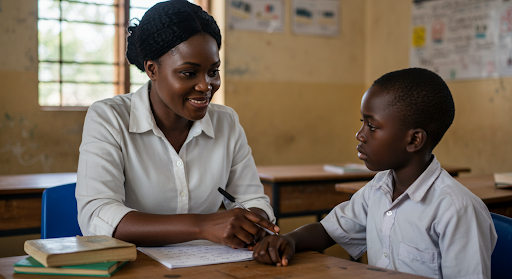
- Offer emotional and academic support: Help children navigate personal struggles while continuing their education.
- Educate about rights: Teach students about their basic rights and how to speak up or seek help when necessary.
- Guide families: Connect parents with resources that can support their children’s health, safety, and education.
- Report abuse: Notify appropriate authorities when a child is at risk or in danger.
However, many teachers in the Niger Delta face tough challenges, lack of training, poor infrastructure, and limited materials.
Investing in teacher training and improving school conditions is essential to strengthening child rights in Nigeria.
Empowering educators means empowering children, creating schools that serve as safe havens and stepping stones to a brighter future.
Building a Better Future: Moving Forward Together
Making Nigeria a place where all children’s rights are protected takes teamwork. Even though the Niger Delta has many problems, it can still become a place where children grow up happy and safe.
Helping children isn’t something we do just once. Protecting child rights in Nigeria means we must keep caring, learning, and helping all the time. Every person in Nigeria can help by learning about children’s rights and standing up for kids.
Children are the future of Nigeria. If we protect their rights today, they will grow up to make the country better tomorrow.
When we all work together, we can help every child be safe, healthy, and ready to learn and lead.
It may not be easy, but it’s very important. Every child should have a chance to live a good life. And everyone in Nigeria can help make that happen.