Introduction: The Invisible Struggles
Vulnerable children in Nigeria face a constellation of challenges that threaten their future, health, and hope. Every day, thousands of vulnerable children in Nigeria wake up to a world filled with obstacles that most adults would find overwhelming.
The lack of basic necessities, limited access to education, and exposure to environmental hazards create a perfect storm of adversity for these young souls who deserve so much better than the circumstances they’ve inherited.
The story of Amina, a 10-year-old girl from a small village in the Niger Delta, illustrates the challenges Nigerian children face. Living in a makeshift home near oil extraction sites, Amina’s family struggles to survive.
Her parents work irregular jobs, and she often goes to bed hungry, wondering if tomorrow will bring any relief.
Despite her intelligence and eagerness to learn, school attendance remains sporadic as economic pressures force her to help with household chores or occasionally work to supplement the family income. Her story represents countless children whose potential remains unrealized due to systemic issues beyond their control.
Education: A Distant Dream
Keywords Used:
- Vulnerable Children Nigeria: 2 times
- Challenges Nigerian Children Face: 1 time
- Child Poverty in Nigeria: 1 time
One of the most significant challenges Nigerian children face is access to quality education. In the Niger Delta region and throughout the country, many vulnerable children in Nigeria are unable to attend school regularly due to various socioeconomic factors. Poverty forces many children to abandon their studies and enter the workforce at an early age, creating a persistent cycle of limited opportunities and diminished prospects for their future.
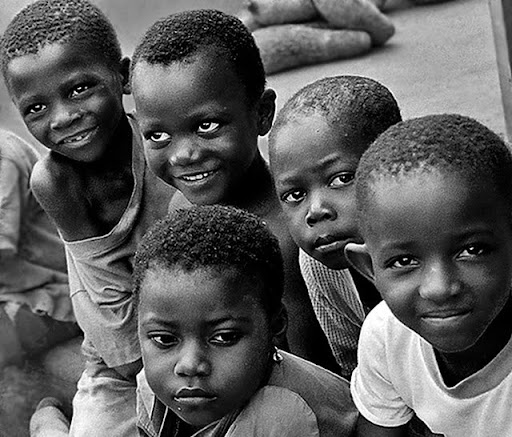
Statistics consistently reveal that child poverty in Nigeria directly impacts educational outcomes and developmental potential. In rural areas especially, schools suffer from severe infrastructure deficiencies, including:
- Insufficient classrooms to accommodate all students
- Shortage of essential learning materials and textbooks
- Untrained or underqualified teachers lacking proper pedagogical skills
- Long distances to schools requiring hazardous daily journeys
Child poverty in Nigeria means that countless children like Amina must make the devastating choice between pursuing their education and helping their families earn enough income to survive from day to day. The vulnerable children in Nigeria often find themselves trapped in circumstances beyond their control, where immediate survival needs consistently outweigh long-term educational benefits.
Health Challenges: A Constant Battle
Keywords Used:
- Vulnerable Children Nigeria: 2 times
- Challenges Nigerian Children Face: 1 time
Vulnerable children in Nigeria confront severe health challenges, especially in the Niger Delta region where economic instability and limited resources compound their difficulties. Environmental pollution from oil extraction creates unique health risks for vulnerable children in Nigeria, including contaminated water sources, toxic air quality, and exposure to harmful chemicals that penetrate the soil where crops are grown.
Michael’s story highlights these challenges. A 12-year-old boy from a small Niger Delta community surrounded by oil facilities, he suffers from respiratory problems caused by continuous environmental degradation and frequent gas flaring near his home. His family cannot afford proper medical treatment despite working multiple jobs, representing the broader challenges Nigerian children face in accessing healthcare. Local clinics lack essential equipment and medications, while the distance to specialized medical centers makes regular treatment virtually impossible for families living in poverty.
Environmental Hazards: Invisible Threats
The Niger Delta region presents unique challenges for vulnerable children in Nigeria. Oil pollution contaminates water sources, making basic survival difficult for these young ones. Children often struggle with daily life in this harsh environment where industrial activities have devastated natural resources. They routinely:
- Drink contaminated water from rivers and streams that were once pristine but now carry dangerous pollutants
- Living near pollution sites where toxic chemicals seep into the soil and atmosphere around their homes
- Experience health complications, including respiratory issues, skin diseases, and developmental problems due to prolonged exposure
- Have limited access to clean resources for drinking, bathing, and cooking, further compromising their well-being
Child poverty in Nigeria compounds these environmental challenges, creating a cycle of deprivation that is difficult to break.
Economic hardship means families cannot relocate to safer areas or afford medical treatment for pollution-related illnesses.
Without adequate government intervention or international support, vulnerable children in Nigeria continue to suffer from this toxic combination of environmental degradation and economic marginalization, leaving them with minimal protection against both immediate dangers and long-term health impacts.
Economic Hardship: The Daily Struggle
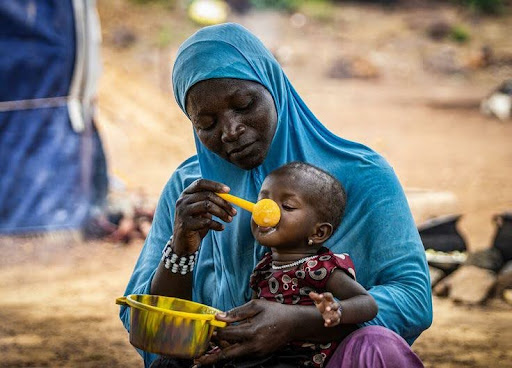
Economic challenges significantly impact vulnerable children in Nigeria. The ongoing financial instability and widespread unemployment have created a harsh environment where these young individuals struggle to access basic human rights. Many children are forced into:
- Child labour in dangerous industries and agricultural settings
- Early marriage as families seek financial relief through dowries
- Informal work without protection, fair wages, or safety measures
- Begging on streets of major cities and rural townships
The challenges Nigerian children face are deeply rooted in systemic poverty. Families struggle to provide basic necessities such as adequate nutrition, safe housing, clean water, and educational materials, pushing children into survival modes that rob them of childhood.
This perpetual cycle of deprivation creates long-term developmental consequences for vulnerable children Nigeria, affecting not only their present circumstances but their future potential and the nation’s prosperity.
Social Protection: Limited Support
Vulnerable children in Nigeria receive minimal social protection. The current infrastructure and policies fail to address their complex needs adequately.
Government support is often insufficient, leaving many children exposed to various dangers and hardships. These marginalized young populations face numerous challenges including:
- Exploitation: including child labor, trafficking, and economic manipulation by adults who take advantage of their precarious situations
- Violence: both physical and psychological, occurring in homes, communities, and institutions meant to protect them
- Lack of basic rights: including education, healthcare, identity documentation, and legal protections that should be guaranteed to all children
- Limited social services: with inadequate funding, inconsistent implementation, and geographic disparities in availability of critical support systems
Vulnerable Children Nigeria face these challenges amidst broader socioeconomic issues that complicate intervention efforts.
Psychological Impact: Hidden Wounds
It’s important to understand that the challenges Nigerian children face go way beyond just having trouble with food or shelter. It’s like, imagine feeling worried all the time because you don’t know if your family will have enough money.
This kind of constant worry, caused by money problems, makes kids feel really bad inside. So, when we talk about vulnerable children in Nigeria, we’re talking about kids who often feel:
- Really worried, like having a knot in their tummy (Anxiety)
- Super sad, like when you can’t seem to feel happy no matter what (Depression)
- Like they’re not good enough, and that makes them feel small (Low self-esteem)
- They can’t even dream about good things happening in the future, because it all seems impossible (Limited future expectations).
Potential Solutions and Hope
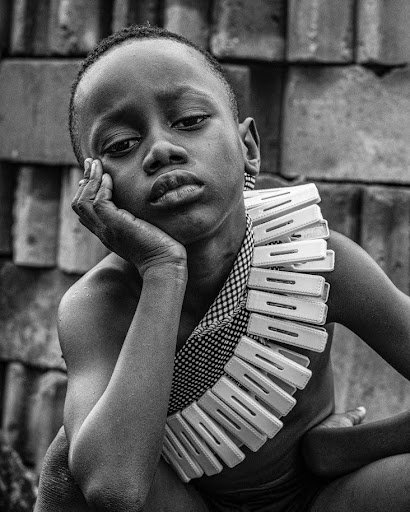
It’s really tough for many kids in Nigeria, we call this child poverty in Nigeria. Even though things are hard, and there are big problems, there’s a chance to make things better! We can try to help in different ways:
- Improved educational access: Make sure kids can go to school and learn.
- Healthcare support: Help kids stay healthy.
- Environmental clean-up initiatives: Work on cleaning up the places where people live.
- Community empowerment programmes: Help neighbourhoods and groups of people work together to solve problems.
If everyone works together and keeps trying to make things better over a long time, we can really help fix child poverty in Nigeria.
A Call for Action
Keywords Used:
- Vulnerable Children Nigeria: 2 times
- Challenges Nigerian Children Face: 1 time
- Child Poverty in Nigeria: 1 time
It’s so important that we help kids who are having a really hard time in Nigeria. We call them vulnerable children in Nigeria, and they really deserve a much better life.
There are lots of problems and difficulties that kids in Nigeria have to deal with. We can call these challenges Nigerian children face, and it’s going to take everyone working together to fix them.
The government, groups that help people (NGOs), and even countries all over the world need to join hands. Think about Amina and Michael, their stories are like the stories of so many other kids who are struggling every single day.
If we understand what causes child poverty in Nigeria and try to fix those problems, we can make a real difference for vulnerable children in Nigeria all over the place.
There are many kids who are having a really hard time in Nigeria, and we call them vulnerable children Nigeria. Even small things can make a big difference! You can help groups of people who are trying to make life better for these kids.
If we all work together, we can change the bad things that are happening into good chances for these kids to have a better future.