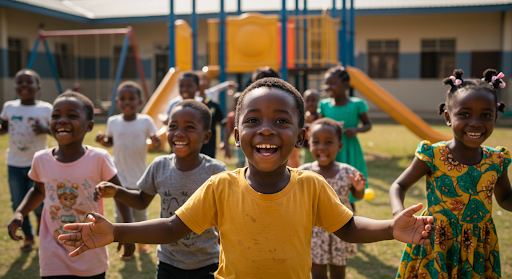
Every 27th of May, Nigeria comes alive with the laughter and joy of children.
Streets fill with little voices singing, schools organise special events, and families gather to honour the youngest members of our society.
But the Children’s Day celebration in Nigeria is more than just fun and games. It’s a powerful reminder of our duty to protect, nurture, and champion the rights of every child in our nation.
In the Niger Delta region, where oil wealth exists alongside deep poverty, and environmental challenges turn everyday life into a struggle.
Children’s Day holds a deeper meaning. It’s more than a one-day celebration; it’s a chance to spotlight the children whose lives are shaped by hardship and to renew our commitment to their future.
The Heart of Children’s Day: Understanding Its True Purpose
Children’s Day celebration in Nigeria is more than bright colours and festive songs, it’s a powerful reminder of the work we still need to do.
To understand why Children’s Day is important, we must look beyond the surface and reflect on how we’re nurturing, protecting, and uplifting our youngest generation.
Children’s Day celebration in Nigeria began as part of a global movement to recognise children as individuals with rights, dreams, and potential.
When we celebrate, we’re saying that children matter, not just as future adults, but as valuable human beings right now.
We’re acknowledging that their voices deserve to be heard, their needs deserve to be met, and their futures deserve to be protected.
In the Niger Delta, this message carries extra weight. Here, children grow up surrounded by the contradiction of living in one of Africa’s richest oil-producing regions whilst experiencing some of Nigeria’s deepest poverty.
Many face challenges that children elsewhere never encounter: polluted water sources, damaged farmlands, and communities torn apart by environmental destruction.
Why Every Child’s Story Matters
In a small town near the river in Rivers State, a ten-year-old girl named Blessing helps her mother roast and sell fish every morning.
The smoke makes her eyes hurt, and the work is hard. Sometimes, Blessing gets to school late. Other times, she can’t go at all. But she has a big dream; she wants to become a doctor.
She wants to help sick people in her community. She knows that going to school is the way to make her dream come true.
But it’s not easy when she has so many chores and has to help her family every day.
During last year’s Children’s Day celebration in Nigeria, Blessing stood in front of many people and spoke.
She asked, “Why must we work like adults before we get the chance to learn like children?” Everyone in the room became quiet. Some even cried.
Blessing’s story is not the only one. Thousands of children in the Niger Delta go through the same thing.
That’s why Children’s Day is important: to listen to children, to care about their dreams, and to make sure they get a chance to go to school and live a better life.
Why Children’s Day Is Important: Beyond the Celebrations
When we ask why Children’s Day is important, we discover that it’s more than just a fun day. It helps children and the whole community in many ways.
First, Children’s Day raises awareness about children’s rights. Many adults don’t fully understand that children have specific rights protected by law.
These include the right to education, healthcare, protection from harm, and the right to express their opinions on matters affecting them.
Why Children’s Day is important becomes clear when we realise it educates entire communities about these fundamental rights.
Second, the Children’s Day celebration in Nigeria shows the problems that many children face. In the Niger Delta, it’s hard for some children to stay healthy or go to school because of pollution and poverty.
Some children even have to work instead of learning. Many schools, hospitals, and clean water are too far away or not good enough.
Third, this special day brings people together. When adults, leaders, and groups come for the Children’s Day celebration in Nigeria, they talk about ways to help children.
These talks can lead to real changes that make life better for kids.
The Role of NGOs in Transforming Children’s Lives
All over Nigeria, many groups work hard to help children have better lives. NGOs for Children’s Day in Nigeria are some of the groups that do a lot during this special time, but they also help children all year long.
These organisations understand that the Children’s Day celebration in Nigeria should be more than just entertainment.
They use this opportunity to launch new programmes, raise funds for important projects, and educate communities about children’s needs.
NGOs for Children’s Day in Nigeria often organise health screenings, educational workshops, and community dialogues that help solve problems children face.
In the Niger Delta, several NGOs focus specifically on helping kids who live in areas with oil pollution.
They work on issues like environmental health, education access, and community development. These organisations know that supporting children means supporting entire families and communities.
Also, many NGOs for Children’s Day in Nigeria speak up for children who don’t have a voice. They talk to leaders, governments, and other groups to make better rules and plans for kids.
Because of their work, children are being listened to and taken seriously.
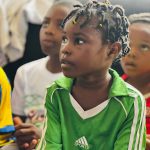
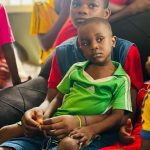
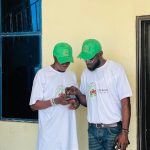
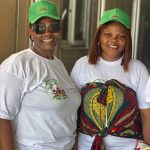
Chrysalis Children Outreach marked the 2025 Children’s Day celebration with love, learning, and laughter. Through special events and fun activities, we reminded children that they are seen, heard, and valued.
As an NGO that cares deeply about children’s growth and well-being, we used the day to inspire hope, teach important lessons, and bring smiles to many young faces, especially those in underserved communities like the Niger Delta.