Education has the power to change everything. It can turn a poor child into a doctor, a farmer’s daughter into a teacher, or a fisherman’s son into an engineer. In Nigeria’s Niger Delta region, we see this magic happen every day.
The role of education in Nigeria is more important than ever before.
When children get a good education, they can build better lives for themselves and their families.
The Current Education Situation in the Niger Delta
In the Niger Delta, many children find it hard to go to school. This region has oil and gas, but most families still struggle to make enough money.
The role of education in Nigeria is very important here because it can help these communities become stronger and give children a better future.
Most families work in fishing or farming. These jobs are important, but they don’t always pay well.
That’s why the importance of education in Nigeria is easy to see, it helps children learn new skills so they can do better when they grow up.
In states like Rivers, Delta, Bayelsa, and Akwa Ibom, many schools have problems. Some don’t have enough teachers or books. Others don’t have safe buildings.
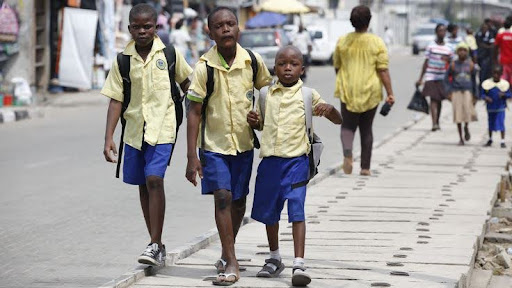
Many children walk a long way just to get to school. Some can’t go at all because they have to help their parents.
This is why the role of education in Nigeria must include making schools closer to where children live.
How Education Opens Doors to Better Opportunities
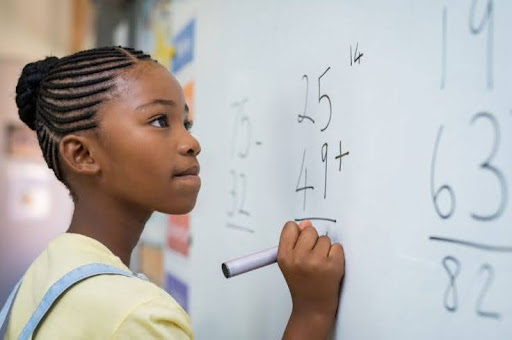
When children get a good education, they learn to read, write, and solve problems. These skills help them in many ways.
The role of education in Nigeria includes teaching children to think clearly and make good choices.
In the Niger Delta, where many young people face difficult situations, education gives them hope and direction.
A good child’s education helps in several ways:
Children who go to school learn about health and hygiene. They understand how to stay healthy and keep their families safe. They also learn about money and how to save and spend wisely.
The role of education in Nigeria includes teaching children about their rights and how to protect themselves.
Education also helps children understand the world around them. They learn about other countries, different cultures, and new ideas. This knowledge helps them see that they have many choices in life.
The role of education in Nigeria is to show children that they can dream big and work to achieve their goals.
When we look at successful people from the Niger Delta, many of them succeeded because of education.
They used what they learned in school to build businesses, become leaders, or help their communities.
This shows how powerful the role of education in Nigeria can be.
Education as a Tool for Breaking the Cycle of Poverty
Poverty is a big problem in many parts of the Niger Delta. When parents are poor, their children often become poor too. But education can break this cycle.
The role of education in Nigeria includes giving children the tools they need to earn better money than their parents.
The importance of education in Nigeria is that it gives people choices.
Without education, children from poor families often end up doing the same jobs as their parents.
When the parents of a child are illiterate, they have no choice but to go with whatever work they can find.
Some become agberos, bricklayers, or roadside sellers. Their children often start working in their shoes at a very young age, repeating the same cycle of struggle.
We once met a 14-year-old child called Marvellous, smoking in a hidden spot. After speaking with him, we found out his father sells cigarettes and weed.
With no guidance or better opportunity, Marvellous was simply following what he saw at home, without knowing the dangers of it.
Education gives children the tools to dream bigger and make better choices, choices their parents may have never had.
They can choose from many different careers, to become teachers, doctors, engineers, business owners, or government workers.
The role of education in Nigeria also includes teaching children how to start their own businesses. Many successful business people in Nigeria started with a good education.
They learned to read and write well, understand numbers, and solve problems. These skills helped them build companies that employ other people.
The Impact of Quality Education on Health and Well-being
Good health starts with good education. The role of education in Nigeria includes teaching children about staying healthy.
In the Niger Delta, where many families live near water and oil activities, health education is very important.
When children get a proper child’s education, they learn about clean water, good food, and exercise. They understand why they need to wash their hands, brush their teeth, and eat vegetables.
This knowledge helps them stay healthy throughout their lives.
Education also teaches children about diseases and how to prevent them. In areas where malaria is common, educated children know how to use mosquito nets and keep their homes clean.
The importance of education in Nigeria includes protecting children’s health through knowledge.
Educated parents also make better health choices for their families. They take their children to the hospital when they are sick.
They make sure their children get vaccinated. They understand the importance of eating good food and drinking clean water.
Building Stronger Communities Through Education
The role of education in Nigeria goes beyond helping individual children. It also makes entire communities stronger.
When more children in a community get a good education, the whole area benefits.
Educated people are more likely to participate in community meetings and help solve local problems. They can read government documents and understand their rights.
The role of education in Nigeria includes creating informed citizens who can help their communities grow.
In the Niger Delta, many communities face environmental challenges because of oil activities. Educated community members can better understand these problems and work with the government and companies to find solutions.
The role of education in Nigeria includes giving people the knowledge they need to protect their environment.
Educated people also start businesses that create jobs for others. When someone from the community becomes successful through education, they often help other young people get an education, too.
This creates a positive cycle that helps the whole community.
Overcoming Barriers to Education in the Niger Delta
Despite the importance of education in Nigeria, many children in the Niger Delta still face barriers to getting good schooling. Understanding these challenges helps us find better solutions.
One major barrier is distance. Many children live far from schools and have no safe way to travel.
Some families cannot afford to send their children to school because they need them to work and earn money.
Other families don’t understand how important a child’s education really is.
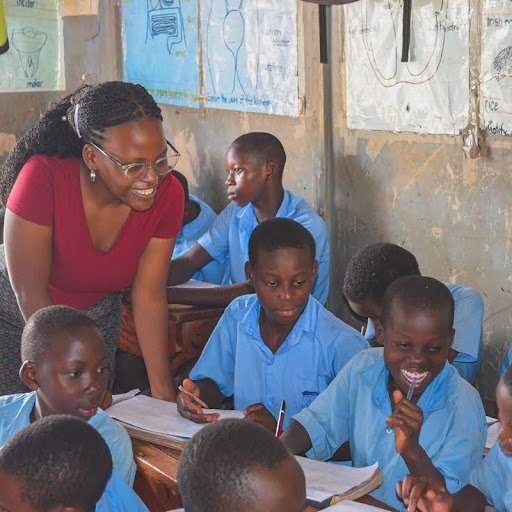
Some schools don’t have enough teachers or proper buildings. Children might sit on the floor or study under trees. These conditions make it hard for children to learn well.
The role of education in Nigeria includes making sure all schools have what they need to teach children properly.
Language can also be a barrier. Many children in the Niger Delta speak local languages at home but must learn in English at school.
This can make learning harder for some children.
The Role of Technology in Modern Education
Technology is changing how children learn around the world.
The role of education in Nigeria now includes using computers, tablets, and the internet to help children learn better and faster.
In some schools in the Niger Delta, children use tablets to read books and solve math problems. They can watch videos that explain difficult topics.
Technology makes learning more interesting and fun for children.
However, many schools in the Niger Delta still don’t have electricity or internet. This makes it hard to use technology for child’s education.
We need to work on bringing better technology to all schools so that every child can benefit.
The Economic Benefits of Education Investment
When we spend money on a child’s education, we get back much more than we spend.
The role of education in Nigeria includes creating economic growth that benefits everyone.
Educated people earn more money throughout their lives. They pay more taxes, which helps the government build roads, hospitals, and more schools.
They also spend more money, which helps businesses grow and creates more jobs.
The importance of education in Nigeria becomes clear when we see how educated people contribute to the economy. They start companies, invent new things, and solve problems that help everyone.
Countries that invest heavily in education usually have stronger economies.
Nigeria can benefit greatly by making sure every child gets good education, especially in areas like the Niger Delta that have been left behind.
Looking Forward: A Brighter Future Through Education
The future of the Niger Delta depends on education. When we give every child a good child’s education, we are building a better tomorrow for everyone.
The role of education in Nigeria will continue to be important as the country grows and develops.
We can imagine a future where children like Marvellous can become doctors, teachers, engineers, and leaders that their communities need.
We can see a Niger Delta where young people have many opportunities and can choose their own paths in life.
The role of education in Nigeria includes preparing children for jobs that don’t even exist yet. As the world changes rapidly, children need to learn how to keep learning throughout their lives.
They need to be flexible, creative, and ready to solve new problems.
Supporting Education in Our Communities
Everyone has a part to play in the role of education in Nigeria. Parents can encourage their children to study hard and attend school regularly.
Community leaders can work to build more schools and improve existing ones. Government officials can make policies that support education and provide proper funding.
Businesses can also help by providing scholarships, building schools, or offering internships to students.
Religious and traditional leaders can use their influence to encourage families to prioritise education.
Even children can help by taking their education seriously and encouraging their friends to do the same. When children see education as important and exciting, they are more likely to succeed.
Conclusion: Education as the Key to Transformation
Education is not just about reading and writing. It’s about giving children hope, confidence, and the tools they need to build better lives.
It’s about breaking the cycle of poverty and creating stronger communities.
It’s about preparing young people to be the leaders Nigeria needs for the future.