Children are Nigeria’s most important treasure, but many of them face big problems every day. In the Niger Delta, where there is oil but also poverty, many children need help.
This is where special groups called non-governmental organisations (NGOs) come in. They are like heroes who help children get food, go to school, and stay healthy.
The role of NGOs in child welfare in Nigeria is very important because they help connect children to the care and support they need to grow and be happy.
Child Welfare Challenges in Nigeria’s Niger Delta
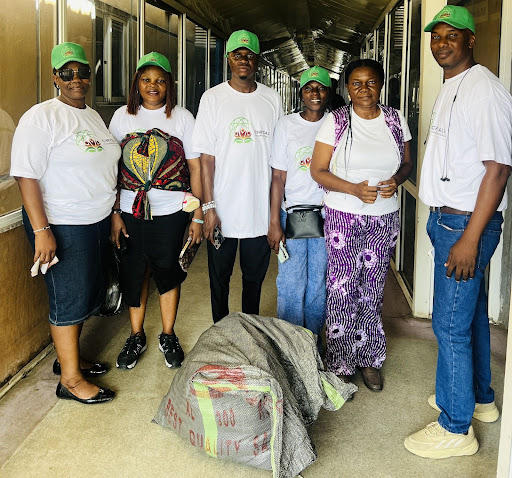
The Niger Delta is full of both riches and problems. Even though it has a lot of oil, many children in this area live hard lives.
Schools are not always good, clean water is hard to find, and many families are poor.
The role of NGOs in child welfare in Nigeria is very important because these groups help children who are in trouble.
In places like Rivers, Bayelsa, and Delta states, some kids can’t go to school, have to work, or get sick from dirty water.
Pollution from oil also hurts their health and the land.
That’s why these groups work hard to protect kids and help their families live better lives.
Chika is a 12-year-old girl from Port Harcourt. Her story shows how the role of NGOs in child welfare in Nigeria can truly change lives.
After her parents died in a car accident, Chika lived with her grandmother. Life was very hard.
They had no money for school, so Chika had to sell plantains in the market instead of going to class. She was often hungry and wore old, torn clothes.
One day, a group called Children First Foundation found her during their visit to the area.
They saw that she needed help. They gave her more than food and clothes, they made a full plan to help her live a better life.
They paid her school fees, gave her uniforms and books, and even helped her grandmother start a small vegetable business.
That way, Chika didn’t have to work anymore and could focus on school.
They also gave her someone to talk to so she could feel better after losing her parents.
Now, Chika is one of the best students in her class.
Stories like this happen every day across the Niger Delta because caring groups work hard to help children like Chika.
How NGOs Transform Child Welfare Across Nigeria
The role of NGOs in child welfare in Nigeria is more than just giving food or clothes.
These groups help solve big problems children face.
Child advocacy organisations in Nigeria give schools help, build classrooms, and teach families about health and nutrition.
They also create safe places where kids can learn and play.
The role of NGOs in child welfare in Nigeria also includes keeping children safe from harm. They rescue kids from the streets, give them shelter, and help them return to school and family.
These groups teach communities to value education and protect children. They make a big difference in many children’s lives.
Educational Initiatives: Building Brighter Futures
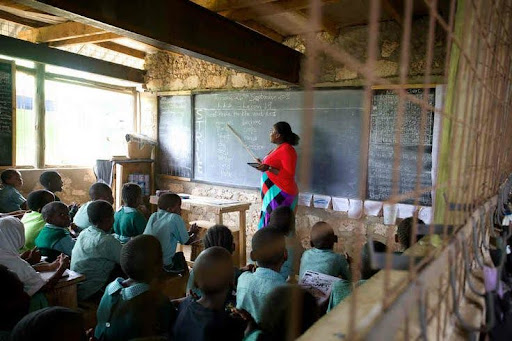
The role of NGOs in child welfare in Nigeria is very important in education.
These groups often help where government schools are not enough. Child advocacy organisations in Nigeria know that education helps end poverty.
They build schools in far places, give scholarships, and provide books, uniforms, and food so children can go to school.
They also focus on girls, helping families see that girls deserve to learn too. Some groups bring school to children who work, using mobile classrooms or flexible learning hours.
When children get a good education, they can create better futures for themselves and their communities.
Healthcare and Nutrition: Ensuring Physical Wellbeing
Healthy children grow and learn better. That’s why the role of NGOs in child welfare in Nigeria includes strong healthcare programmes.
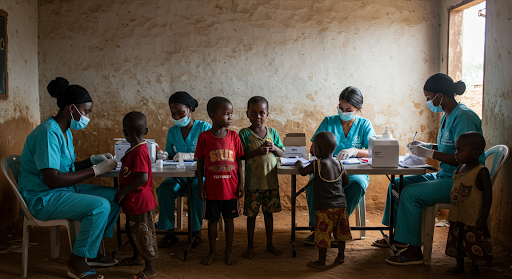
Child advocacy organisations in Nigeria know it’s important to treat sickness and prevent it too. Many NGOs run mobile clinics in the Niger Delta.
These clinics give vaccines, treat illnesses, and teach moms about child nutrition. They also help children who are malnourished.
Some groups fight malaria by giving out bed nets and teaching families how to stay safe.
They also treat kids quickly when they get sick.
NGOs also bring clean water by building wells and teaching good hygiene. This helps stop diseases. Mental health care matters too.
Children in tough areas often need counselling, and NGOs provide it through trained helpers and therapy.
Child Protection and Advocacy Work
The role of NGOs in child welfare in Nigeria includes keeping children safe from abuse, harm, and violence.
Child advocacy organisations in Nigeria work hard to make sure children are respected and their voices are heard. These groups rescue kids from dangerous places.
They team up with the police to help children who are trafficked or used for labour.
Safe houses give these children a place to heal and feel safe.
The role of NGOs in child welfare in Nigeria also involves helping families understand the law. They speak up for children in court and try to improve laws that don’t fully protect kids.
They also teach communities about children’s rights. Kids aren’t just the future, they’re people who deserve care and respect today.
Some NGOs focus on special groups like street kids, orphans, and children with disabilities.
These children face extra challenges, and the organisations help meet their special needs.
Community Engagement and Family Support
Sustainable child welfare needs strong families and caring communities.
The role of NGOs in child welfare in Nigeria includes helping parents and communities take better care of children.
Many NGOs teach parents job skills so they can earn more money.
They also show moms how to feed and care for children and help dads understand their role at home.
Some NGOs bring communities together to talk about local problems and find real solutions.
Others work with local leaders and religious teachers to protect children’s rights.
Microfinance programmes also help families start small businesses.
This way, children can go to school instead of working.
These steps create lasting change for families and their children.
Challenges Faced by NGOs in Nigeria
Despite their hard work, NGOs face many challenges in fulfilling their role of NGOs in child welfare in Nigeria.
Knowing these problems helps us support them better. Here are some of the main challenges:
- Lack of funding
Funding remains the biggest challenge. Many international donors focus on other regions, leaving Nigerian NGOs struggling to maintain programmes. Local fundraising is difficult in a country where many people live in poverty. - Security risks
Some areas are dangerous because of conflict or criminal activity. NGO workers risk their safety to help vulnerable children, but sometimes dangerous conditions prevent them from providing help. - Government delays
Government rules can slow down how NGOs do their work. They need to get many approvals, which takes a long time and delays important help. Some officials don’t understand or support the NGOs, making it harder for them to help children. - Cultural resistance
Some people don’t want to change old traditions, even if they hurt children. Convincing communities to abandon harmful practices or adopt new approaches takes time and patience. NGOs must balance respect for local cultures with children’s rights.
Poor infrastructure
Bad roads and no electricity make it hard to reach the rural areas. This makes helping children more expensive and slower.
These problems make the work tough, but many NGOs keep going strong.
Government Partnerships and Collaboration
The role of NGOs in child welfare in Nigeria is strongest when they work together with the government.
By joining hands, they can help more children and make sure the help lasts for a long time.
For example, many NGOs work with the Ministry of Education to improve schools.
They help train teachers, build classrooms, and provide school supplies.
Some also help create lessons that match what children need to learn in their area.
In health, NGOs support government clinics and sometimes run mobile clinics to reach villages far away from hospitals.
They help give vaccines, treat sick children, and teach families about staying healthy.
They also train local health workers so the care can continue even when the NGOs leave.
Child protection is another important area.
NGOs are often the first to find children who are in danger, while the government can use its laws to protect them.
Together, they can rescue children from unsafe situations and help them heal through care and counseling.
Some NGOs also work with the government to provide birth certificates, which many poor children don’t have.
Without a birth certificate, children can’t go to school or get healthcare. By helping with this, NGOs give children better chances in life.
When state governments recognize and thank NGOs with awards or public support, it shows that their work matters.
This also makes other people want to help, too.
Whether it’s through education, health, safety, or official documents, working together helps everyone do more for Nigerian children.
The Future of NGO Child Welfare Work in Nigeria
The role of NGOs in child welfare in Nigeria continues evolving as the country faces new challenges and opportunities.
Technology offers exciting possibilities for reaching more children and improving programme effectiveness.
Mobile technology allows NGOs to deliver education and health services in innovative ways.
Smartphone apps help track child development, while online platforms connect remote communities with expert services.
But problems like climate change hurt children too. Floods and dirty air can make kids sick or keep them from school.
The role of NGOs in child welfare in Nigeria must now include fixing these emerging problems.
Growing urbanisation creates both opportunities and challenges.
As more people move to big cities, there are more chances to help, but also more kids in trouble.
NGOs are finding new ways to help children in city life.
Also, more people now know children have rights.
This helps NGOs do more to protect and care for children all over Nigeria.
How You Can Support NGO Child Welfare Efforts
Everyone can help grow the role of NGOs in child welfare in Nigeria. These groups need support to keep doing great work.
Child advocacy organisations in Nigeria need money to run their programs. Even small donations help.
Giving every month lets them plan for the future.
People can also help by giving their time. Professionals like teachers or doctors can volunteer to share their skills.
Students can help with reading or playing with kids.
Speaking up for children also matters. You can tell others about children’s rights and ask leaders to do more.
Big companies can help too. They can give money, tools, or ask their workers to volunteer.
Working together helps more children live safe and healthy lives.
A Collective Responsibility For A Brighter Future
The role of NGOs in child welfare in Nigeria brings hope to many children in the Niger Delta and other places.
These groups help kids who don’t have enough food, clean water, or a safe place to live.
Child advocacy organisations in Nigeria care deeply about children.
They help by giving kids education, healthcare, and support for their families, just like they did for Chika, who is now doing well in school.
However, NGOs can’t do it alone. They need help from the government, local people, and caring individuals like you.
When we combine resources, expertise, and determination, we can make life better for all children.
Helping children is not just a kind thing to do, it helps Nigeria grow stronger.
Every happy child, safe home, and better school brings us closer to a brighter future.